
Query extracellular vesicle proteins across disease, body-fluid, and clinical subtype comparisons
An extracellular vesicle proteomics knowledge base for differential-expression evidence, enrichment pathways, and EV cargo context.
Pan-disease exosome marker screen
Non-healthy versus healthy controls within the same body-fluid source, used to identify broad exosome marker patterns.
Disease and health-state comparison
Disease-versus-disease or disease-versus-healthy comparisons within the same body-fluid source.
Healthy body-fluid baseline comparison
Healthy-control exosome proteomics differences across body-fluid sources.
Clinical subtype and condition comparison
Project-specific disease subtype and clinical-condition comparisons within defined disease contexts.
Agent-ready research workflows
Exologue supports both interactive exploration and reusable agent workflows over the same curated evidence.
Chat with database-backed evidence
Ask natural-language questions about genes, body fluids, comparisons, enriched pathways, PCA availability, and downloadable matrices. Chat links answers back to the underlying Exologue pages.
Open ChatDownloadable Agent Skill
Install the Exologue Research Agent Skill to let compatible external agents call public read-only Exologue evidence tools for reproducible research workflows.
Get the SkillWhat Exologue covers
Differential expression evidence
Gene-level abundance summaries and statistically significant differential expression results.
Functional enrichment
GO, KEGG, and WikiPathways enrichment evidence across available analyses.
Reusable data
Disease and health-state comparison expression matrices for downstream research.
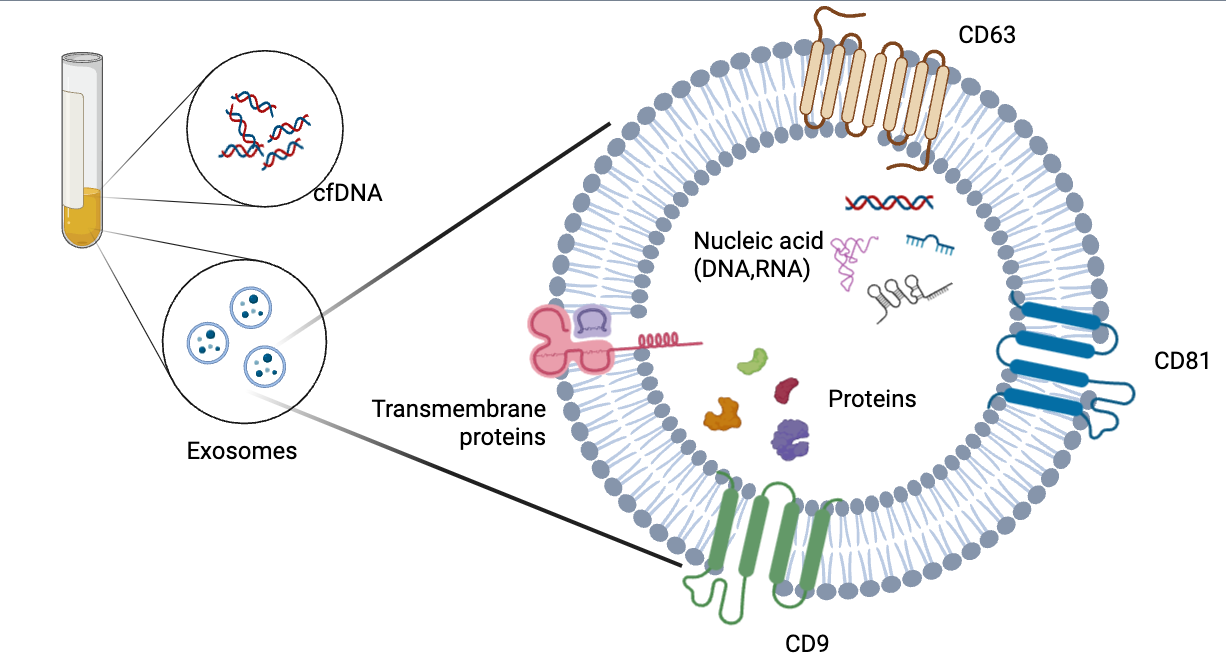
What are exosomes?
- Small extracellular vesicles released by all cells into the extracellular environment.
- Contain biomolecules such as proteins, lipids, RNAs, and DNA.
- Support cell communication, immune-response modulation, and biomarker discovery for disease.
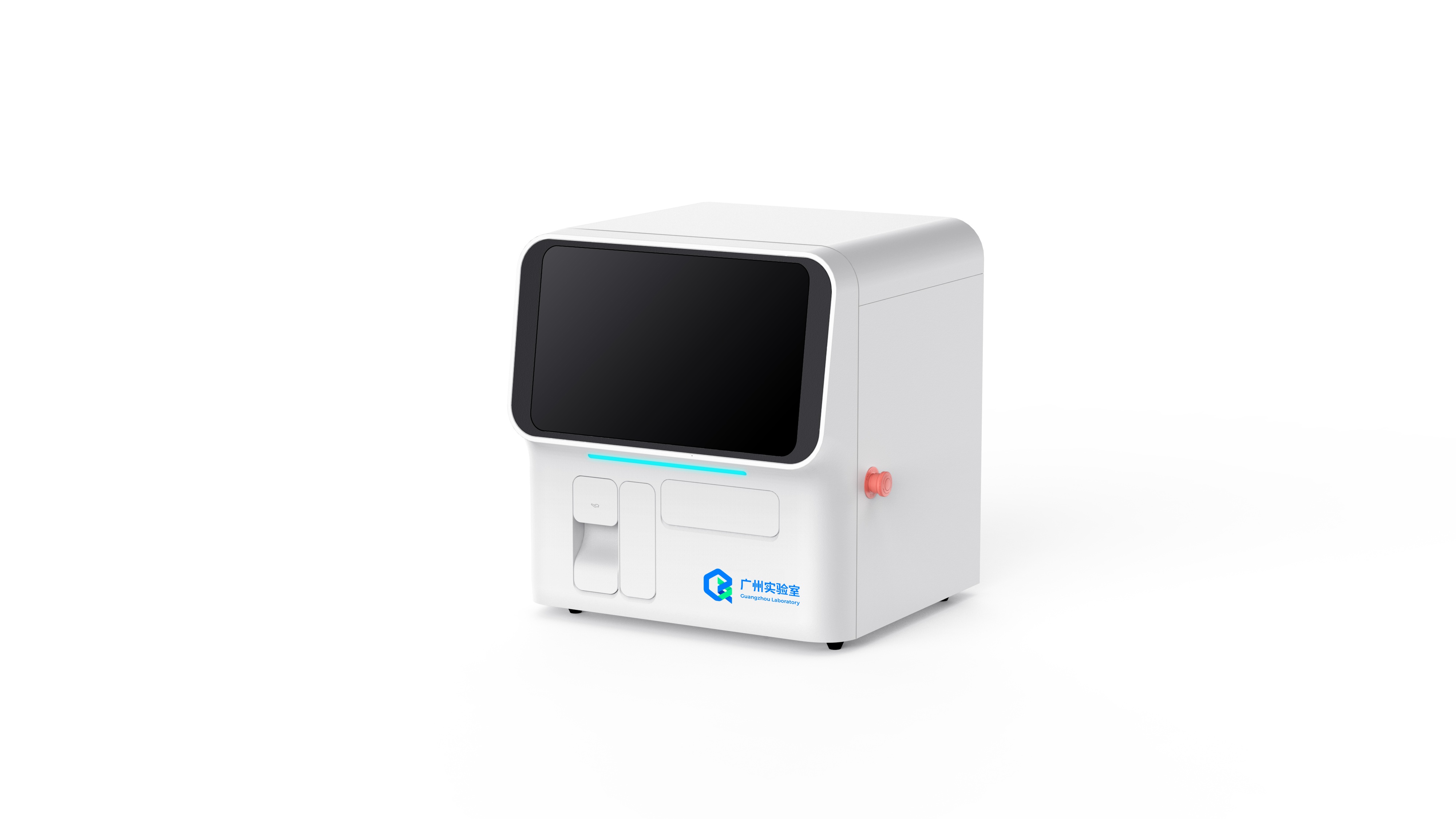
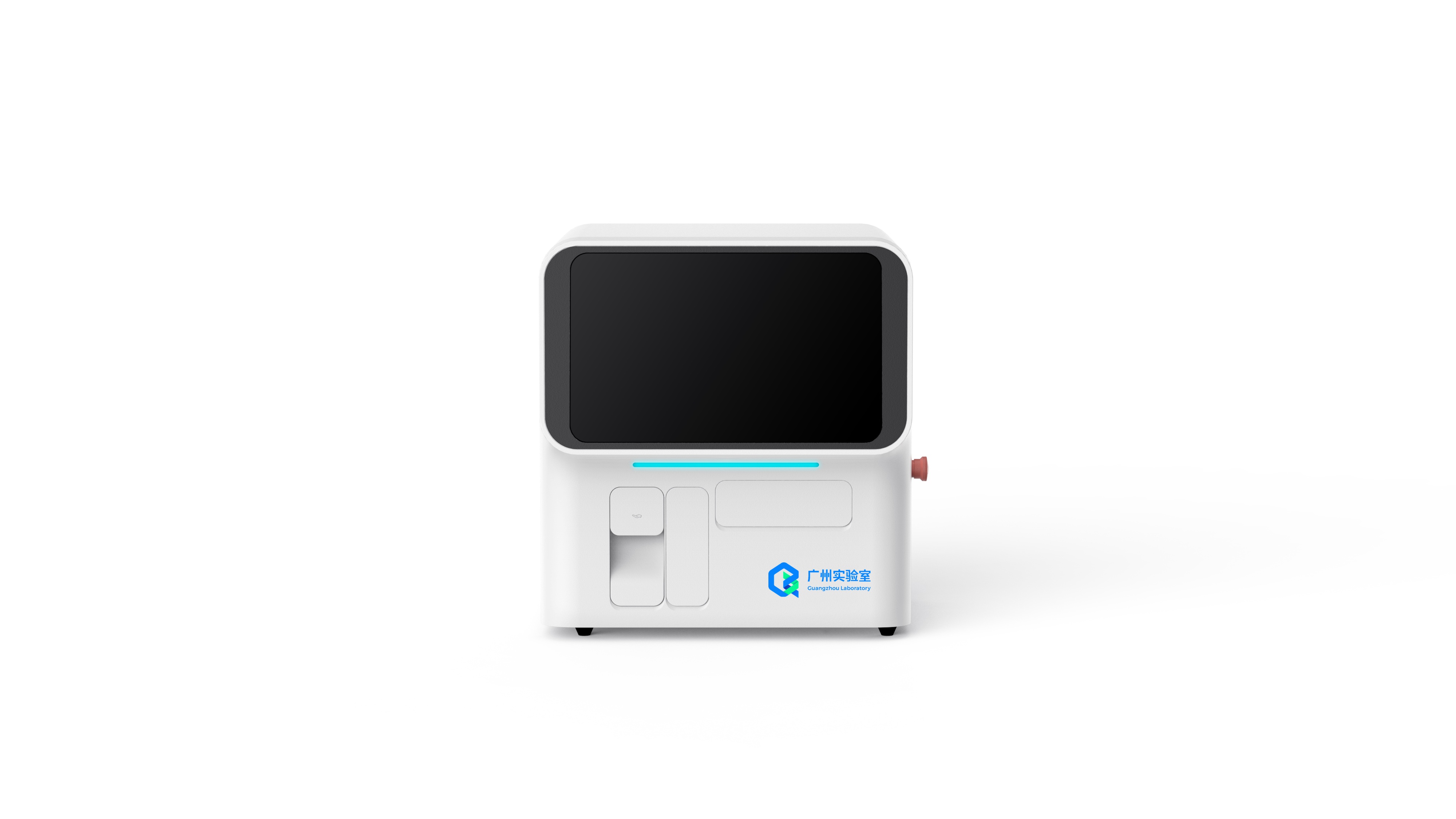
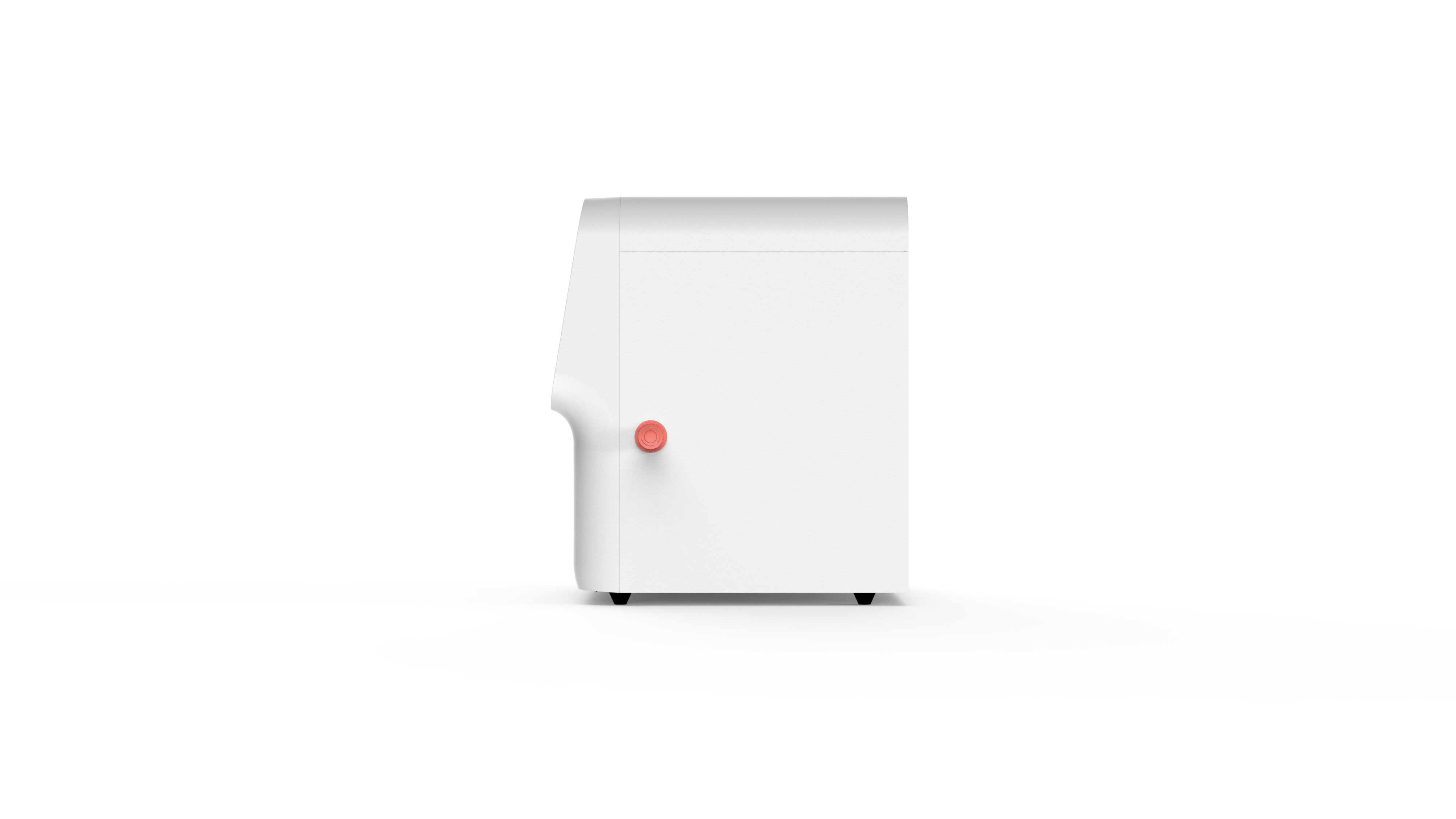
Automatic Microfluidic Exosome Extraction Device
Exo-CMDS
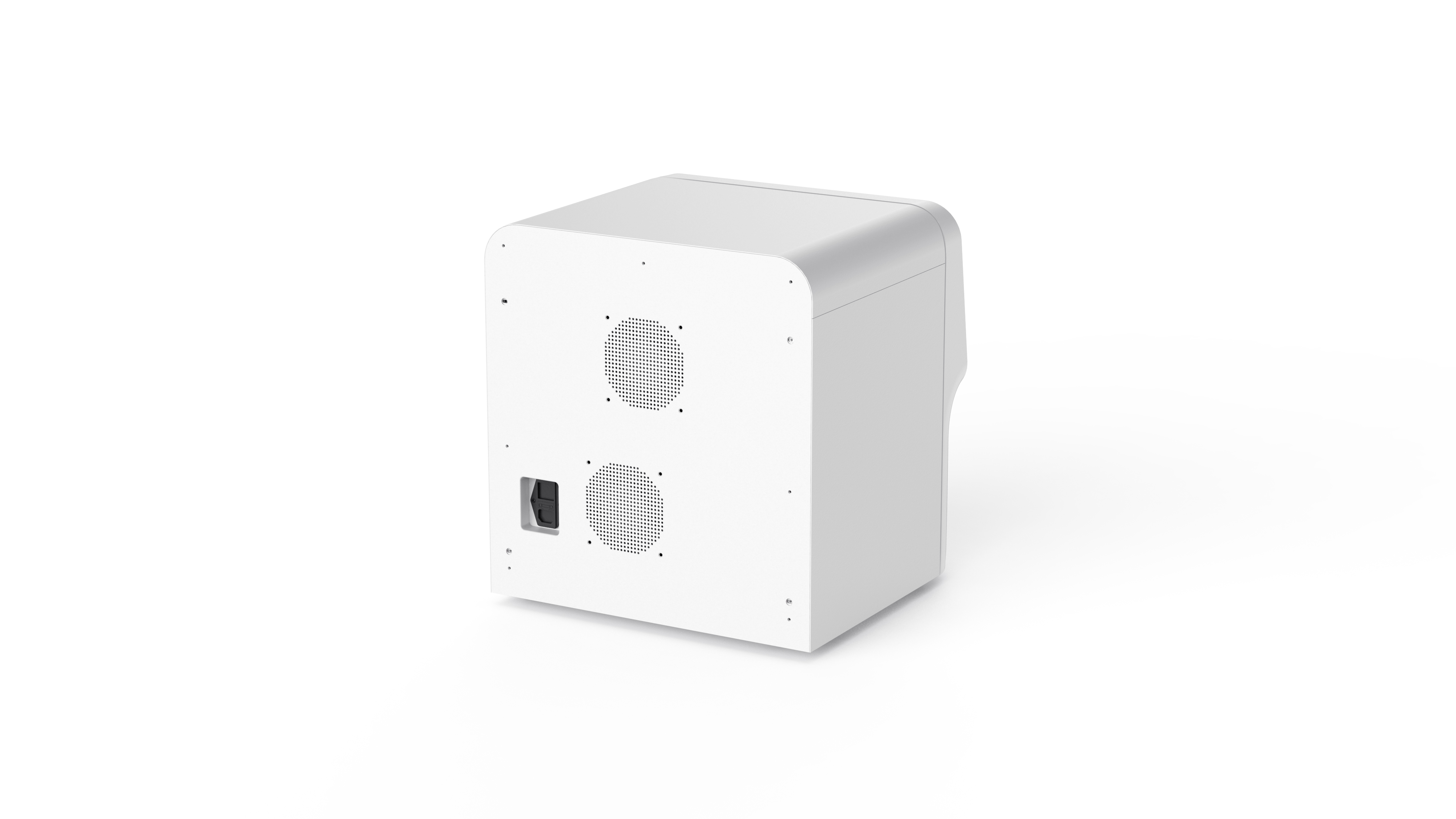
Device features
No pre-processing: directly load whole blood to complete exosome extraction, purification, enrichment, and testing preparation in 10 minutes. Non-differential extraction supports full exosome types, high purity and yield, intact structure, and clinical-grade testing.